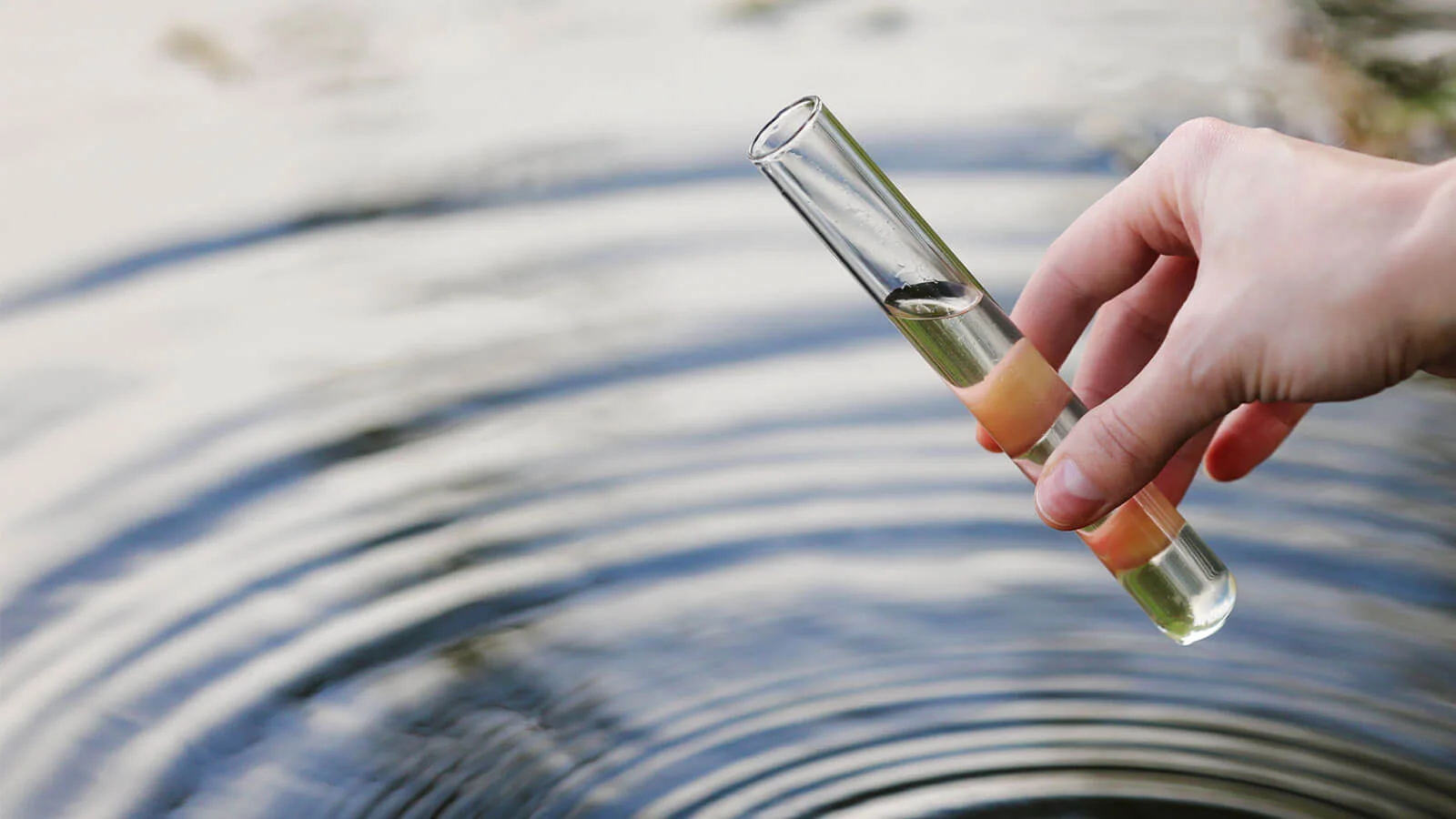
For a restaurant, water is more than just a utility—it is a primary ingredient. Whether it’s the base for soups, the foundation of a signature sauce, or the water used to brew coffee and tea, the quality of your water directly impacts the taste, consistency, and safety of your final product. Beyond the culinary aspect, restaurants face unique operational and regulatory pressures that make regular professional water testing a non-negotiable part of business management.
1. Consistent Culinary Quality
Water chemistry (pH, hardness, and mineral content) can dramatically alter the flavor profile of your food and beverages.
- The Coffee and Tea Factor: Coffee is 98% water. High mineral content (hardness) can lead to bitter, over-extracted coffee, while water that is too soft can result in flat, dull flavors. Professional testing helps you dial in the right filtration system to ensure your drinks taste the same, every time.
- Consistency in Baking: Water quality influences yeast fermentation and dough texture. Reliable water chemistry ensures that your bread or pizza crust maintains its quality across all locations.
2. Protecting Expensive Equipment
Commercial kitchen equipment is a major capital investment. Integrating commercial water testing in Brooklyn kitchens helps identify hard water and sediment, which are the silent killers of these assets.
- Scale Buildup: High levels of calcium and magnesium cause “scale” in boilers, steamers, dishwashers, and ice machines. This buildup acts as an insulator, forcing equipment to work harder, consuming more energy, and leading to premature mechanical failure.
- Corrosion: Conversely, water with a low pH is acidic and can eat away at internal components, leading to pinhole leaks and costly emergency repairs. Regular testing allows you to choose the correct treatment to extend the lifespan of your kitchen.
3. Compliance and Health Standards
Restaurants are under the constant scrutiny of health departments. Proactive testing is the best way to ensure you never run into a compliance issue.
- Microbiological Safety: Ice machines are notorious breeding grounds for bacteria and biofilm if not properly maintained. Regular, professional water sampling for microbial contaminants is a proactive step that protects your customers and your reputation.
- Regulatory Documentation: If your establishment is ever part of a local health inquiry, having a documented history of clean, certified water testing serves as proof that you have exercised due diligence in protecting public health.
4. Avoiding the “Hidden” Contaminants
Old building infrastructure can introduce risks that are entirely outside of your control, regardless of how well your kitchen is cleaned.
- Heavy Metals: In older commercial buildings, lead and copper can leach from aging plumbing or solder. If you are serving water, coffee, or food prepared with tap water, you are potentially exposing customers to these contaminants.
- Construction Impacts: If there is road work or construction on your block, vibrations can dislodge lead and sediment from city service lines. Regular testing allows you to identify these temporary risks before they impact your kitchen.
How to Implement a Water Management Plan
You don’t need to be a water chemist to keep your restaurant safe and efficient. Follow these steps:
- Establish a Baseline: Start with a comprehensive water analysis that looks at everything from heavy metals and bacteria to pH and hardness.
- Match Filtration to the Data: Don’t buy a “one-size-fits-all” filter. Use your lab results to install the specific type of filtration (e.g., carbon block for chlorine, reverse osmosis for hardness, or UV for bacteria) that your kitchen actually needs.
- Routine Maintenance: Treat water testing like your fire extinguisher inspection—it should be a scheduled, routine part of your operational calendar.
- Educate Your Staff: Ensure your team knows what to look for, such as sudden changes in water clarity, pressure, or a metallic taste in beverages, and who to report these to.
A Commitment to Excellence
Your customers trust you to serve them safe, delicious food. By investing in commercial water testing in Manhattan dining establishments, you protect that trust, lower your long-term equipment costs, and ensure that your culinary creations are consistently top-tier.
If you are a restaurant owner or operator looking to establish a testing schedule, or if you need help interpreting current water quality data for your kitchen, we are here to help. You can browse our FAQs to see how we assist local businesses, or reach out to our team to discuss a sampling plan tailored to your establishment.
As a restaurant operator, are you currently using a specialized filtration system, and have you verified its effectiveness through professional testing in the last year?