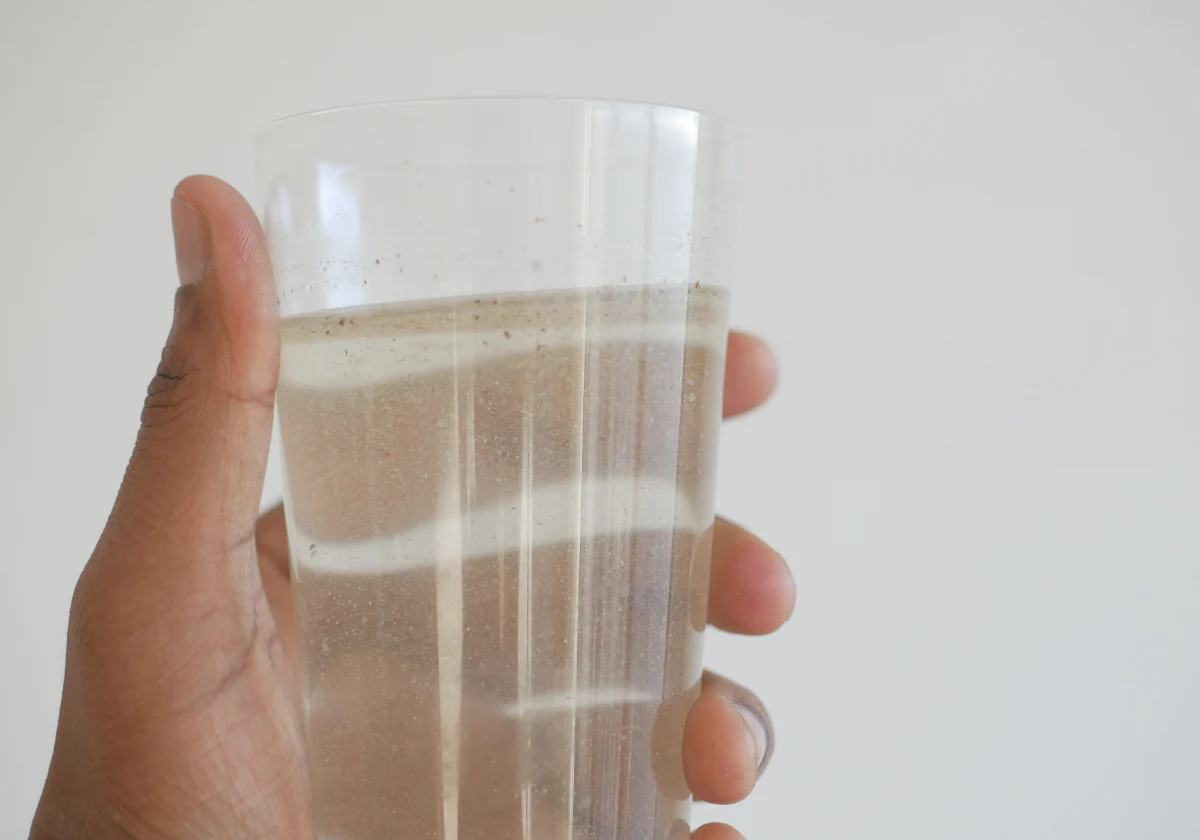
Living in an NYC apartment presents unique challenges regarding water quality. Unlike a single-family home where you might have direct access to your service line, apartment living involves complex internal plumbing that serves dozens, or sometimes hundreds, of units.
When you want to assess your water quality, you cannot simply rely on the building’s annual water report, as it rarely reflects the specific conditions inside your kitchen or bathroom. To get a clear picture of what is coming out of your tap, you need to use testing methods specifically designed for the apartment environment.
The Limitations of DIY Solutions
Many tenants turn to DIY test strips or “quick-check” kits found at hardware stores, but consulting certified Bronx apartment water testing experts delivers the laboratory precision required for multi-family units. While these can offer a rough estimate for basic parameters—like whether your water is “hard” or “soft”—they are generally insufficient for apartments.
Because apartment issues often involve trace contaminants like heavy metals (lead/copper) or biological concerns (Legionella), you need the precision of a certified laboratory. DIY kits often lack the sensitivity required to detect these contaminants at the parts-per-billion level, leading to potential false negatives.
The Professional Standard: Lab-Based Analysis
For apartment dwellers, the most reliable approach is professional water testing. This method ensures that your samples are handled, transported, and analyzed according to strict, state-certified protocols.
1. The “First-Draw” Protocol
In apartments, the most significant risk comes from water that has sat stagnant in your pipes overnight. A professional test includes a “first-draw” sample, which captures the water that has been in contact with your internal pipes for at least 6–8 hours. This is the most accurate way to determine if your specific fixture or the pipes feeding your unit are contributing lead or copper to your supply.
2. Comparative Analysis (Flushed vs. Non-Flushed)
A sophisticated testing approach often involves taking two samples: one that has sat stagnant (first-draw) and one that has been “flushed” (run for a few minutes).
- If the first-draw has high levels but the flushed sample is clean: The contamination is localized to your specific faucet or fixture.
- If both have high levels: The issue may be deeper within the building’s infrastructure or the service line, requiring a broader discussion with building management.
What Should You Test For?
When scheduling your test, it is important to tailor the analysis to the building’s characteristics:
- Lead and Copper: Essential for any building constructed before 1986. This is the gold standard for residential lead testing.
- Bacteria (Total Coliform): If you notice a musty odor or if the building has recently undergone repairs to the water storage tanks.
- Legionella: While more common in large-scale commercial testing, if your apartment building uses a complex hot water distribution system or has a cooling tower, this may be a relevant concern for building boards or management.
- General Chemistry: Testing for pH, turbidity, and iron can help you understand why your water might look cloudy or why you are seeing persistent staining in your sinks.
Understanding Your Results
One of the primary benefits of using a professional service is the interpretative support. Once you receive your test results, you aren’t left to guess what the numbers mean. Professionals can help you determine if your findings warrant an NSF-certified filter or if the findings are within safe, normal operating ranges.
Taking Action with Management
If your test results indicate an issue, you have the data needed to advocate for yourself. Presenting a professional lab report to your landlord or co-op board is far more effective than reporting a “funny taste” in the water. It provides objective evidence that can trigger necessary maintenance, such as:
- Replacing old faucets or valves within your unit.
- Cleaning or inspecting internal building water tanks.
- Updating plumbing sections that show signs of severe corrosion.
Why Quality Matters
Your apartment is your home, and the water you use for drinking, cooking, and brushing your teeth should be treated with the same care as any other major appliance. By utilizing the correct lab methods and establishing a baseline for your unit, you ensure that you are making informed decisions about your health.
For more information on the process, feel free to visit our FAQs or reach out to our team to discuss the specific requirements for your building.
For more information on the standards and regulations for drinking water in New York, you can review the New York State Department of Health (DOH) water quality guidelines.
Does your apartment building have an older infrastructure, and have you ever had the water at your kitchen tap tested by a professional lab?