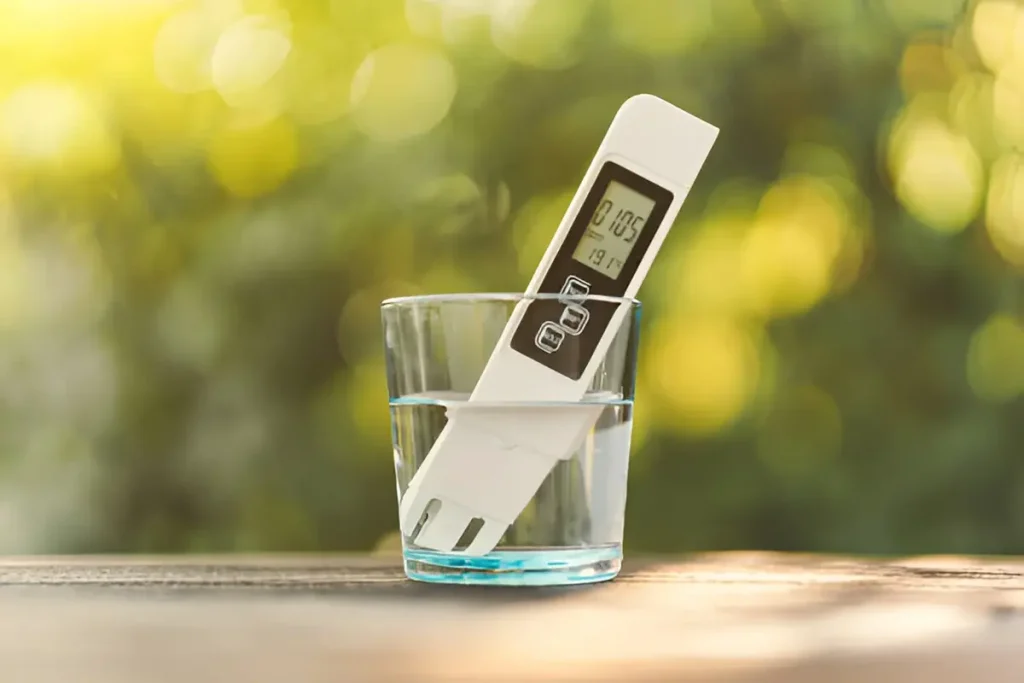
While municipal water treatment plants in cities like New York are designed to maintain consistent safety standards year-round, water quality is not static. External environmental factors—driven by the changing seasons—can influence the taste, clarity, and chemical makeup of your water.
Understanding these seasonal shifts can help you better manage your home or business water systems.
The Seasonal Cycle of Water Quality
Spring: Runoff and Sediment
As snow melts and spring rains begin, the landscape undergoes significant changes, and property owners often request independent water testing in Queens to monitor runoff impacts on local distribution networks.
- Runoff Impact: Water flowing over the ground picks up “hitchhikers”—pesticides, fertilizers, and animal waste from farms, lawns, and roads. This increased runoff can increase the turbidity (cloudiness) of source water, placing extra stress on municipal filtration systems.
- What you might notice: You may occasionally notice slightly cloudy water or changes in water pressure during and after major storm events as treatment plants adjust their processes to handle the increased sediment load.
Summer: Temperature and Biological Activity
Higher temperatures change how water behaves both in the environment and in your pipes.
- Algal Blooms: Warm, sunlit reservoirs can trigger algal blooms. While treatment facilities remove these organisms, their presence can sometimes result in lingering earthy or musty tastes and odors in your tap water.
- Bacterial Growth: Warmer temperatures encourage bacterial reproduction. While municipal systems use chlorine to disinfect the water, higher temperatures can accelerate the dissipation of this disinfectant. In homes with older plumbing or long, stagnant pipe runs, these conditions can occasionally lead to bacterial buildup or “slimy” water in rarely used faucets.
Autumn: Organic Decay
As trees shed their leaves, the organic load on water sources increases.
- Organic Matter: Decaying leaves release tannins and other organic compounds into streams and reservoirs. This can contribute to a yellowish or brown tint and an earthy or musty smell in the water.
- Treatment Adjustments: Municipalities often adjust chemical doses during this time to account for the increased organic matter, which can sometimes be detected as a change in the “chlorine” scent of your water.
Winter: Infrastructure Stress
Winter is less about the water source and more about the “last mile”—your home’s plumbing.
- Pipe Stress: Freezing temperatures cause pipes to contract and expand, which can lead to micro-cracks or burst pipes. Fluctuating pressure from leaks or freezing can create opportunities for contaminants to be drawn into the system through cracks or backflow.
- Corrosion: Cold weather can exacerbate the corrosion of older pipes, potentially increasing the levels of metals like lead or copper if your internal plumbing is aging or contains lead solder.
Proactive Steps for Every Season
Regardless of the season, the fundamentals of water safety remain the same, and scheduling routine residential water testing in Brooklyn complements these simple protective practices:
- Maintain Your Plumbing: Before winter, ensure exposed pipes are insulated. Check for leaks regularly, as pressure drops can make your system vulnerable to outside contamination.
- Practice the “First-Draw” Flush: If you live in an older building, always run the cold water tap for 1–2 minutes after a period of non-use (like in the morning). This flushes out water that has been in contact with your building’s internal plumbing the longest, where metals are most likely to leach.
- Clean Your Aerators: The small mesh screens on your faucets (aerators) are the first place sediment, grit, or mineral particles get trapped. Cleaning them seasonally helps prevent buildup and improves water flow.
- Use Certified Filtration: If you dislike seasonal taste changes (like the “earthy” summer flavor) or are concerned about aging pipes, an NSF-certified point-of-use filter can provide a consistent barrier against contaminants year-round.
- Professional Testing: If you are unsure how your local water supply or building plumbing is handling seasonal shifts, professional water testing is the only way to get accurate, actionable data.
When to Take Action
While seasonal variations are a normal part of how natural water systems function, sudden or dramatic changes—such as a persistent metallic taste, a strong chemical odor, or a significant change in color—should never be ignored. If you notice these, reach out to your building management or use NYC 311 to report the issue.
Are you interested in establishing a baseline for your water quality, or would you like to learn more about how to protect your specific property from these seasonal impacts?