For many New Yorkers, the city’s water supply is a point of pride. Sourced from protected reservoirs, it is world-class at the source. Yet, the reality of living in a city with such dense, historic infrastructure means that the water you drink often travels through miles of aging mains and private plumbing before it ever reaches your glass.
If you have ever wondered whether your tap water is as clean as it looks, you are not alone. Residential water testing has become a standard, proactive step for homeowners and tenants alike. This guide explores why testing matters, how to do it correctly, and why professional laboratory analysis is the gold standard for your home.
Why NYC Homes Require Proactive Testing
While municipal water is treated and tested by the Department of Environmental Protection (DEP), the “last mile” of your home’s plumbing is your responsibility. In older residential buildings—a staple of the NYC landscape—pipes, solder, and fixtures can be decades old, introducing risks that the city-wide monitoring system cannot see.
Common Risks in NYC Infrastructure
- Lead Leaching: The primary concern in pre-1980s housing. Lead pipes or lead-based solder can leach metal into water, particularly if it sits stagnant for several hours (like overnight).
- Corrosion and Sediment: Over time, galvanized steel or copper pipes can corrode, causing metallic tastes, discolored water, and sediment buildup.
- Biological Concerns: In larger buildings, stagnant water in cooling towers or internal storage tanks can potentially harbor bacteria such as Legionella if not properly maintained.
- Chemical Contaminants: While rare in municipal systems, aging building plumbing can sometimes allow for cross-connections or issues with chemical runoff.
Professional Lab Testing vs. DIY Kits
When you decide it’s time to test, you will likely encounter two options: at-home test strips and professional laboratory analysis. It is important to understand the significant differences between them.
At-Home Test Kits
These are generally inexpensive and provide instant, color-coded results. They are useful for checking basic parameters like pH or water hardness. However, they have significant limitations:
- Lack of Precision: They often provide ranges rather than exact measurements.
- Detection Limits: They lack the sensitivity to detect trace amounts of heavy metals like lead or arsenic, which can be harmful even at low levels.
- Ineligibility: They are not recognized for official, legal, or health-related documentation.
Professional Laboratory Testing
Partnering with certified NYC residential water testing specialists is the only way to get a scientifically accurate, legally recognized picture of your water’s safety.
- Advanced Sensitivity: Certified labs use methods that can detect contaminants at “parts per billion,” ensuring even trace threats are identified.
- Comprehensive Screening: Labs can screen for hundreds of compounds, including “forever chemicals” (PFAS), heavy metals, bacteria, and complex chemical byproducts.
- Expert Interpretation: When you receive a lab report, you aren’t just getting numbers; you receive context. Professionals can help you understand whether your results indicate a need for a simple faucet change, a filtration system, or a conversation with your building management.
When Should You Test?
To maintain a safe home environment, consider scheduling a test under the following conditions:
- Annual Baseline: An annual check helps you track changes in your water chemistry over time.
- Before Moving In: If you are buying a home or starting a new lease, a water quality check provides peace of mind.
- After Plumbing Work: Any major renovation or pipe repair in your building can dislodge mineral scale or metal particles.
- Changes in Quality: If your water suddenly tastes bitter, smells like “rotten eggs,” or appears cloudy, stop using it for drinking or cooking and schedule a test.
How Testing Works
Understanding how testing works is the first step in taking control of your water quality.
- Sample Collection: A professional will provide specific instructions, often requiring a “first-draw” sample—water that has sat in your pipes for 6–8 hours—to capture the highest potential concentration of contaminants.
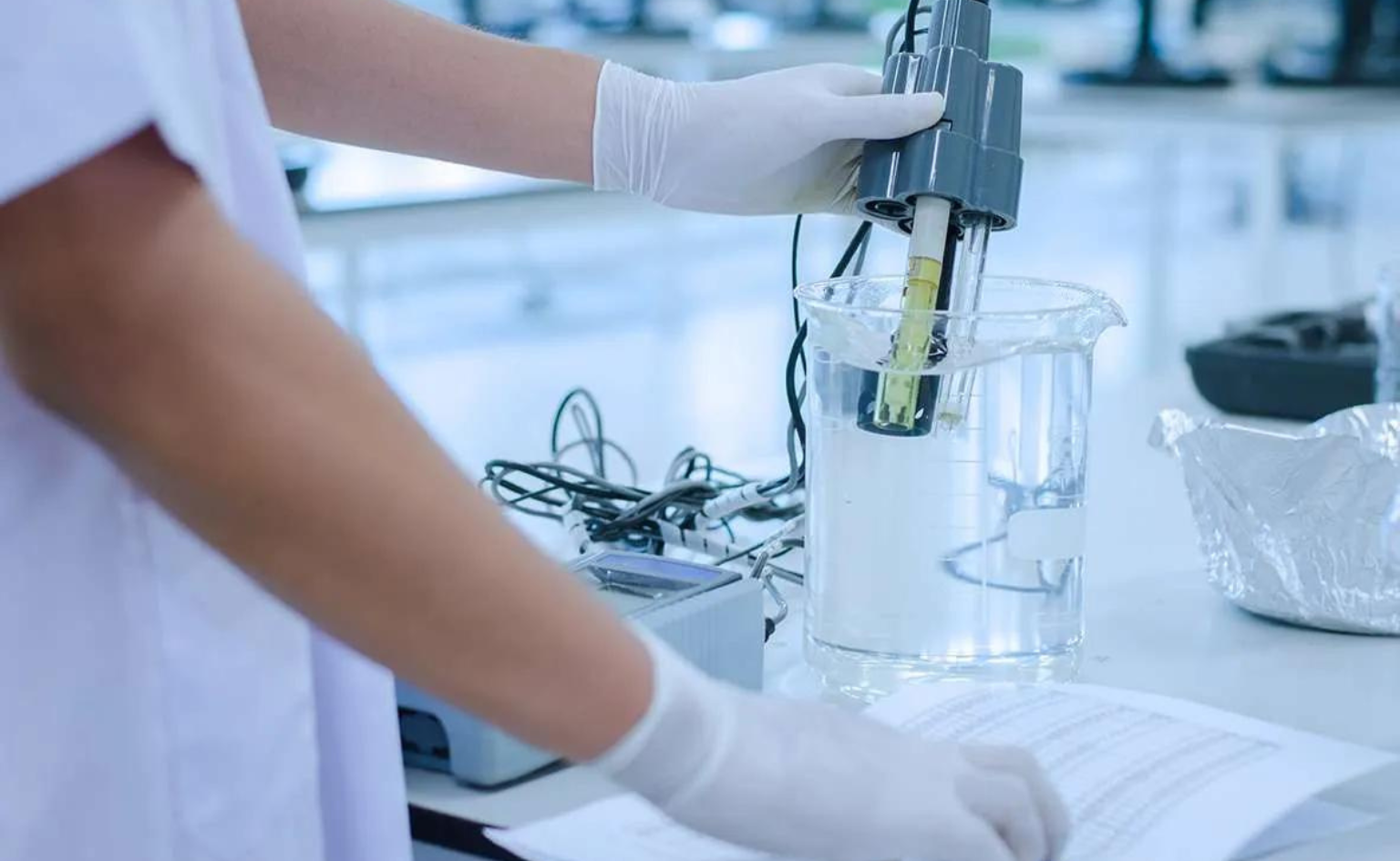
- Laboratory Analysis: The sample is sent to an accredited facility where it undergoes rigorous lab methods to measure various chemical and biological markers.
- Result Interpretation: Once you receive your results, the data is compared against health and safety standards. Understanding what your results mean allows you to make informed decisions about whether you need an NSF-certified filter or other plumbing interventions.
Taking Action
If your results indicate elevated levels of contaminants, don’t panic. Many issues have simple solutions, ranging from regular flushing of your pipes to the installation of high-quality filtration systems designed for your specific water profile.
Your health and the health of your household are worth the effort of professional verification. If you are ready to ensure the safety of your home, reach out to our team today. For quick answers to common questions about the process, you can also browse our FAQs.
For more information on national drinking water standards, you can visit the EPA’s Safe Drinking Water Act resources.
Is your building currently older than 40 years, and have you ever had your tap water professionally analyzed?