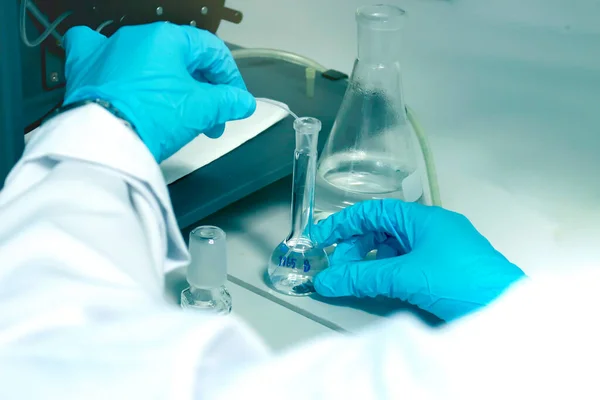
While New York City’s municipal water is rigorously monitored and world-class when it leaves the city’s reservoirs, the water reaching your tap must travel through miles of infrastructure and your building’s internal plumbing. For NYC residents, annual water testing is a vital, proactive step to ensure the safety of your home environment.
Here are the top reasons to make water quality assessment a yearly priority.
1. Identifying “Hidden” Contaminants
Contaminants like lead and copper are often odorless, colorless, and tasteless. Because they don’t manifest with immediate warning signs, thousands of families may be exposed without realizing it.
- Aging Infrastructure: Many NYC buildings contain older service lines, lead-based solder, or deteriorating fixtures that can leach metals into water, especially when it sits stagnant (such as overnight).
- Precision Matters: Professional lead testing is the only way to detect these hazards. Unlike DIY kits, our accredited lab methods identify contaminants at the parts-per-billion level.
2. Safeguarding Vulnerable Populations
Children, the elderly, and individuals with compromised immune systems are at a higher risk from waterborne contaminants. Infants, in particular, are susceptible to developmental issues caused by even trace amounts of heavy metals. Annual testing provides a verified baseline, ensuring that your household’s daily hydration and cooking water are free from preventable health risks.
3. Monitoring Impact from Construction and Repairs
NYC is a city of constant motion and renovation. If your building or neighborhood has recently undergone plumbing work, water main replacements, or renovations in adjacent units, it is essential to test your water. Mechanical disturbances can dislodge years of sediment or mineral scale that were previously stable, which is why knowing how to test drinking water for lead in NYC is vital when local utility work begins.
4. Protecting Property and Appliances
Poor water quality can take a toll on your home’s infrastructure.
- Corrosion: Acidic water (low pH) can aggressively corrode pipes, eventually leading to costly leaks.
- Mineral Buildup: High mineral content can result in scale accumulation in your boiler, dishwasher, and other water-using appliances, reducing their lifespan and efficiency.
- Early Detection: Regular testing allows you to identify these chemical imbalances before they necessitate major plumbing repairs.
5. Compliance and Peace of Mind
For property owners and building managers, regular testing is a matter of due diligence.
- Regulatory Requirements: Certain buildings—particularly those with rooftop water storage tanks—are subject to mandatory annual inspections and bacteriological sampling under NYC health regulations.
- Documentation: Keeping a verified record of your water quality is invaluable, whether you are managing a rental property, preparing to sell your home, or simply want to provide a safe environment for your family.
6. Informed Decision-Making
When you receive your test results, you gain the clarity needed to take action. Whether it means installing a specific NSF-certified filter or addressing a plumbing issue with your management, data replaces guesswork.
Take Control of Your Tap Water
Don’t wait for a noticeable change in taste or color to investigate. By making water quality a standard part of your home maintenance routine, you ensure that you are staying ahead of potential issues.
If you are ready to establish a baseline for your home or need to address specific concerns, our team is here to help. You can learn more about the process in our FAQs or contact us directly to schedule your professional assessment today.
Is your building currently older than 40 years, and have you ever had your tap water professionally analyzed?