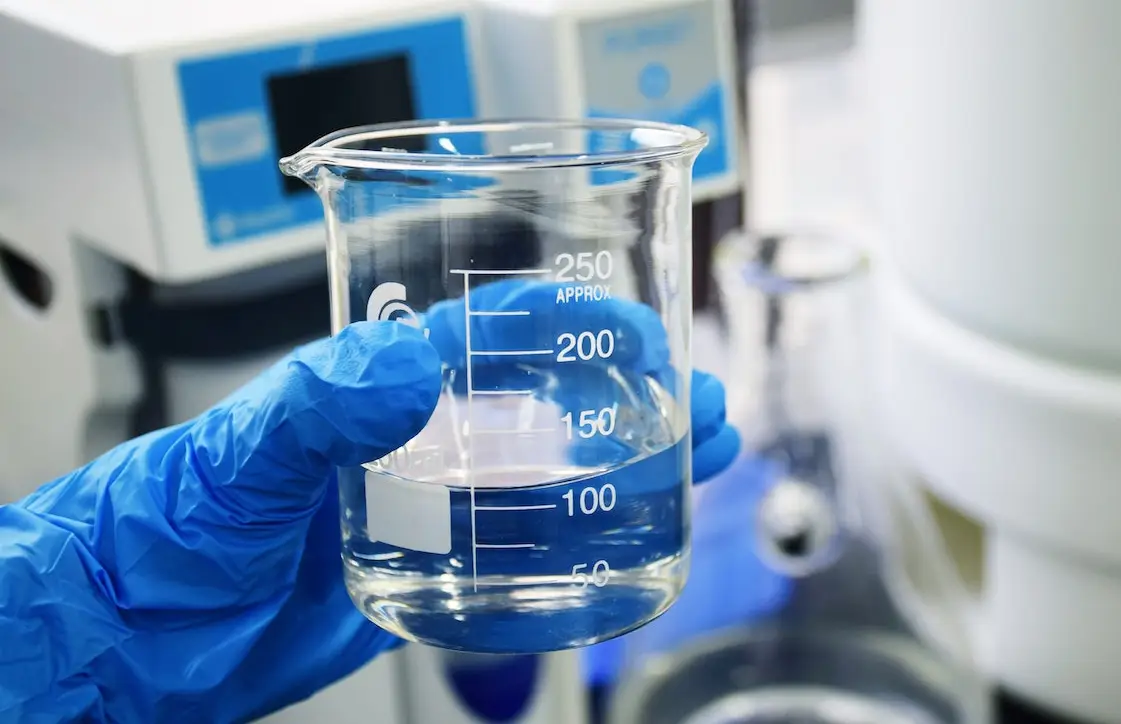
The market for water filtration is vast, ranging from simple $20 pitchers to complex, multi-stage whole-house systems costing thousands. With so many options, it is easy to feel overwhelmed. Do you really need to filter your water, or is it just an extra expense?
The honest answer is: It depends on what is in your water, not just how it tastes.
Understanding Your Motivation
Before investing in a system, identify your goal. Most people filter their water for one of three reasons:
- Aesthetic Improvement: You dislike the taste of chlorine or the “earthy” smell that sometimes appears due to seasonal changes.
- Health and Safety: You are concerned about potential contaminants like lead, copper, or “forever chemicals” (PFAS) due to aging building infrastructure.
- Appliance Protection: You live in an area with “hard water” (high mineral content) and want to prevent scale buildup in your pipes and appliances.
The Reality: When Filtration Is Necessary
While municipal water is generally safe, your home’s internal plumbing is the wildcard, and consulting Bronx residential water testing specialists can help you confirm whether contaminants are entering from internal pipes. If your home was built before 1986, it may contain lead solder or aging service lines. In this scenario, the water entering your building may be pristine, but the water coming out of your tap could be contaminated by the pipes themselves.
If your water testing shows elevated levels of heavy metals, a filtration system is not just a luxury—it is a legitimate health safeguard.
Selecting the Right System
Filtering for “everything” is expensive and often unnecessary. The most effective approach is to match the system to the specific, identified problem.
1. Activated Carbon Filters (Pitchers/Faucet Mounts)
- Best for: Removing chlorine, improving taste and odor, and reducing some organic pesticides.
- The Catch: They are generally ineffective against heavy metals like lead or arsenic.
2. Reverse Osmosis (RO) Systems
- Best for: High-level purification. These systems are highly effective at removing a wide range of contaminants, including heavy metals, fluoride, and dissolved salts.
- The Catch: They are more expensive, require installation under the sink, and produce wastewater. They also remove beneficial minerals, leading some to add “remineralization” stages.
3. Water Softeners
- Best for: Reducing “hardness” (calcium and magnesium) to protect plumbing and improve soap lathering.
- The Catch: They do not make water “safer” to drink; they only change its mineral composition to protect equipment.
4. Specialized Lead/Copper Filters
- Best for: Homes with older plumbing where metals are a documented concern.
- The Catch: Ensure the system is NSF-certified for the specific metal you are targeting.
The “Test First” Rule
The biggest mistake people make is buying a expensive filter based on a general fear rather than specific data. You cannot fix a problem you haven’t identified.
Before spending money on a high-end system, it is often smarter to invest in a professional water test. A certified lab analysis and professional tap water testing in Queens will tell you exactly which contaminants are present—or if your water is perfectly fine as is. If the results are clear, you may save yourself the recurring cost of replacing filter cartridges for years to come.
Best Practices for Any System
If you do decide to install a filtration system, keep these three rules in mind:
- Check for Certification: Always look for the NSF International seal on the product, which verifies that the filter actually does what the manufacturer claims.
- Stick to the Schedule: A filter is only effective for as long as its media is active. If you don’t change the cartridge according to the manufacturer’s schedule, the filter can become a breeding ground for bacteria, turning your water quality from “filtered” to “worse than before.”
- Monitor Your Results: If you install a system to address a specific contaminant, consider performing a follow-up test after installation to ensure your chosen filter is actually performing as expected.
Protecting Your Home and Health
If you are unsure whether your home needs filtration, or if you need help interpreting lab results to choose the right system, our team is here to help. Whether it’s testing your pipes or checking for Legionella, getting the facts is the only way to avoid unnecessary expenses and keep your family safe.
Are you currently noticing any specific issues with your water—such as taste, odor, or staining—that have made you consider a filtration system, or are you looking to confirm your water’s safety before making a purchase?